
 By
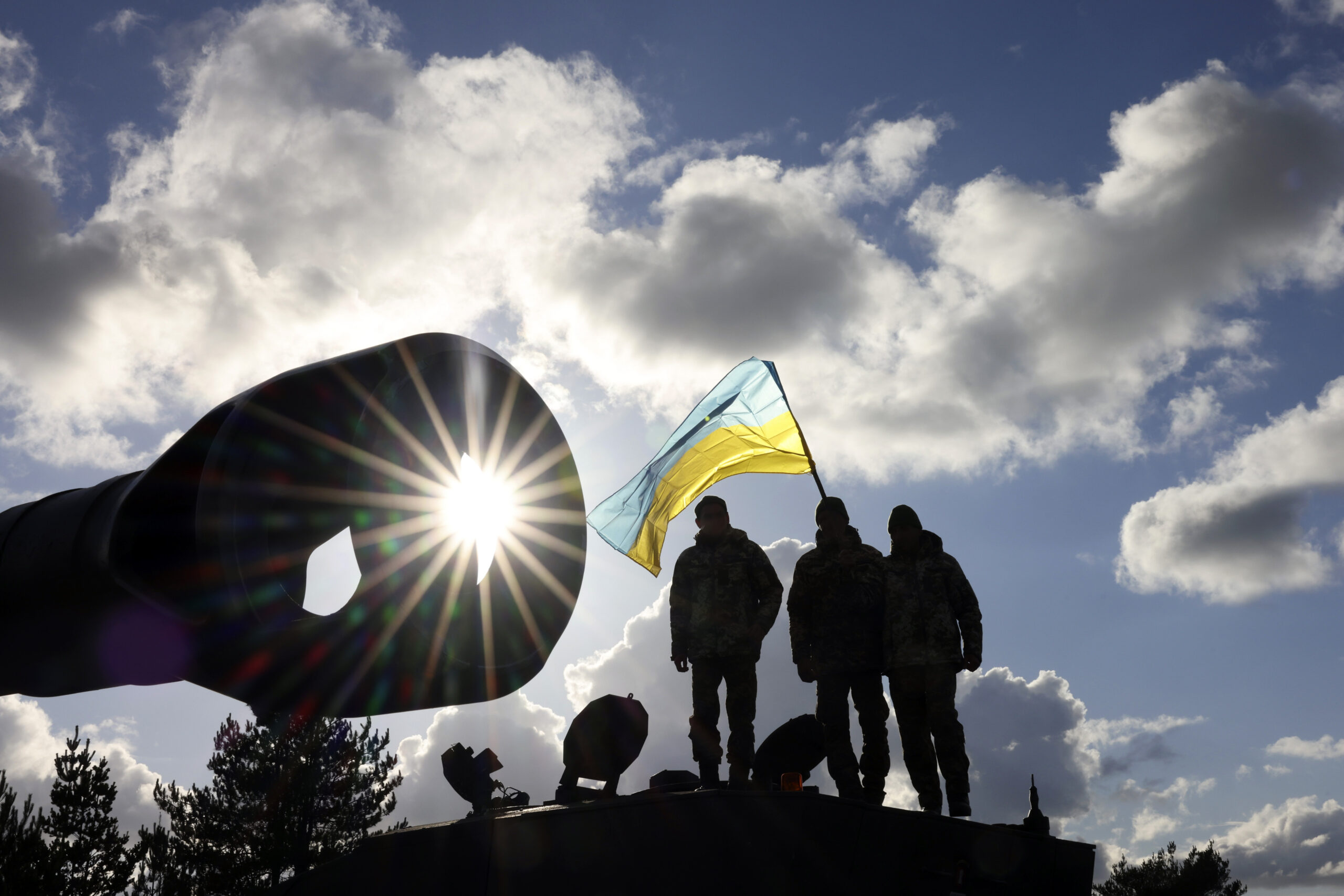
Russia’s war against Ukraine began in 2014, eight years before the full-scale invasion of February 2022. What started with the occupation of Crimea and armed conflict in eastern Ukraine developed into Europe’s largest interstate war in decades.
The Road to War: 2013–2014
In November 2013, Ukrainian President Viktor Yanukovych abandoned plans for closer political and economic cooperation with the European Union. His decision triggered mass demonstrations in Kyiv, widely known as the Euromaidan protests.
Following months of unrest and deadly confrontations, Yanukovych left Ukraine in February 2014. The Ukrainian parliament subsequently appointed a new government.
The Occupation and Annexation of Crimea
In late February 2014, Russian military personnel without identifying insignia seized strategic locations across Crimea, including government buildings and airports.
Russia formally annexed the peninsula in March 2014 following a disputed referendum held under Russian military control. The annexation was not recognised by Ukraine or the overwhelming majority of the international community.
War in the Donbas
During the spring of 2014, Russian-backed armed separatist movements gained control of parts of the Donetsk and Luhansk regions in eastern Ukraine.
Years of fighting followed between Ukrainian forces and Russia-backed separatists. Despite diplomatic efforts and the Minsk agreements of 2014 and 2015, a lasting political settlement was never achieved.
The Full-Scale Invasion: February 2022
On 24 February 2022, Russia launched a full-scale military invasion of Ukraine. Russian forces advanced from several directions, including Belarus, Russia and occupied Crimea.
The invasion dramatically expanded the existing conflict. Ukrainian resistance prevented Russia from capturing Kyiv during the opening phase of the invasion, while fighting continued across other parts of the country.
The War Since 2022
The war has reshaped European security, triggered extensive international sanctions against Russia and caused widespread destruction and displacement across Ukraine.
By October 2026, the conflict remained unresolved, with continued military operations, attacks on infrastructure and diplomatic efforts aimed at achieving a settlement.
The war’s consequences extend beyond Ukraine, influencing European defence policy, international relations, energy security and the broader European security order.