
The Radical Left in Europe: Origins, Ideology and Political Influence
 By admin
oktober 23, 2026
The radical left has played a significant role in European political history, influencing debates about capitalism, economic inequality, national sovereignty, political authority and cultural identity. From revolutionary communist movements to contemporary anti-capitalist networks, radical-left organisations have pursued fundamentally different visions of European society. Some operate through democratic institutions, while others reject parliamentary politics entirely. Certain extremist networks have also employed intimidation, sabotage and political violence.
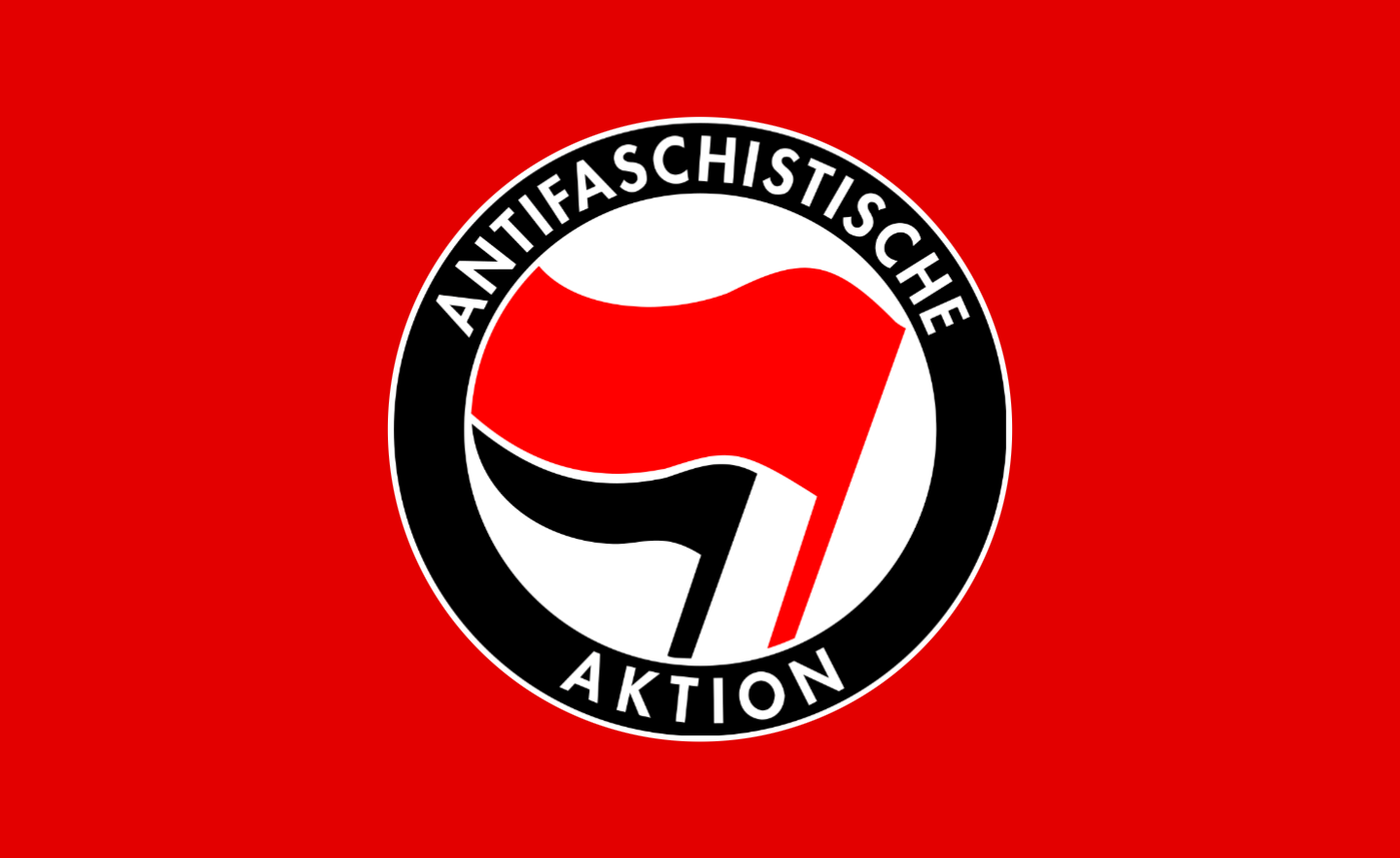
For Legio Europaea, a central investigative priority is examining militant far-left organisations, including networks operating under the Antifa banner, and their potential impact on Europe’s democratic institutions, cultural identity and social stability. Europe’s cultural inheritance, historical traditions and political freedoms deserve serious scrutiny wherever political extremism threatens them. This includes investigating organisations that seek to impose ideological objectives through coercion rather than democratic debate.
The Historical Origins of Radical-Left Politics
The foundations of the European radical left can be traced to the nineteenth century, particularly the emergence of socialism, communism and revolutionary anarchism. Industrialisation transformed European societies and generated fierce political debates about labour, wealth and economic power. Karl Marx and Friedrich Engels developed an influential critique of capitalism, arguing that class conflict was fundamental to political and economic development.
The Russian Revolution of 1917 subsequently established a communist state that profoundly influenced European politics throughout the twentieth century. Communist parties expanded across Europe, while revolutionary and anarchist organisations developed alternative strategies for challenging established institutions. Following the Second World War, communist parties became influential political forces in countries such as France and Italy. However, the relationship between revolutionary ideology, parliamentary democracy and the Soviet model remained deeply contested.
The New Left and the Radicalisation of European Protest
During the 1960s and 1970s, the emergence of the New Left transformed radical politics. Student movements, revolutionary socialists, anarchists and anti-imperialist organisations challenged traditional political institutions and established cultural norms. The protest movements of 1968, particularly in France and West Germany, became defining moments in this transformation.
While many participants pursued peaceful reform, others concluded that parliamentary democracy could not deliver the revolutionary changes they considered necessary. This ideological fragmentation contributed to the emergence of more militant organisations. The resulting political environment remains important for understanding certain contemporary anti-authoritarian and far-left extremist movements.
Antifa and Militant Far-Left Networks in Europe
One of the principal subjects of Legio Europaea’s future investigations will be Antifa-associated networks and militant antifascist organisations operating across Europe. The term Antifa is commonly used to describe antifascist activists, organisations and loosely connected networks. It does not designate one centrally controlled European organisation.
Groups associated with militant antifascism may draw upon anarchism, revolutionary socialism, communism or other anti-authoritarian traditions. Their activities and organisational structures differ between countries and local movements. Some engage in peaceful demonstrations and political campaigning, while others have been associated with confrontational street tactics, intimidation, property destruction and violent clashes with ideological opponents.
The central investigative questions are therefore not simply whether an organisation calls itself antifascist, but what it does, how it operates, whom it targets and whether its methods respect democratic freedoms. Particular attention should be paid to groups that seek to prevent political opponents from organising, speaking publicly or participating in lawful political activity through threats or violence. Such behaviour raises serious concerns about freedom of expression, political pluralism and the rule of law.
Are Militant Far-Left Networks a Threat to Europe’s Cultural Identity?
For Legio Europaea, the protection of Europe’s historical and cultural identity is an important editorial concern. European identity encompasses numerous national, regional, linguistic, religious and historical traditions. Debates about preserving that heritage, national sovereignty and cultural continuity are legitimate parts of democratic politics.
Radical-left ideological movements frequently challenge established understandings of nationalism, capitalism, state authority and traditional social structures. These ideological disagreements alone do not constitute extremism. The concern becomes more serious when political actors seek to suppress opposing views through intimidation, organised harassment or violence.
Legio Europaea will investigate whether specific militant far-left networks contribute to an environment in which Europeans are intimidated or prevented from defending their cultural traditions, discussing immigration, advocating national sovereignty or expressing conservative political positions. This is a question that requires evidence, not assumptions about everyone who holds left-wing or antifascist beliefs.
Our editorial position is that political violence and coercion threaten the democratic and cultural foundations upon which Europe’s future depends. Investigations will therefore examine both extremist methods and the ideological objectives that motivate them.
Political Violence and the European Security Threat
The history of revolutionary left-wing extremism demonstrates that certain movements have pursued political objectives through organised violence. In West Germany, the Red Army Faction (RAF) carried out bombings, kidnappings and assassinations during the 1970s and subsequent decades. In Italy, the Red Brigades employed similar methods, including the kidnapping and murder of former prime minister Aldo Moro in 1978. These organisations represented violent revolutionary currents, not the radical left as a whole.
More recently, European security authorities have continued to monitor left-wing and anarchist extremist activity. According to Europol’s EU Terrorism Situation and Trend Report 2026, EU member states reported twelve attacks attributed to left-wing and anarchist terrorism during 2025. Eleven were completed and one failed. Germany’s domestic intelligence authorities have also documented violent activity within parts of the left-wing extremist scene, including attacks against political opponents, police and infrastructure.
These findings demonstrate that militant far-left extremism is a genuine security concern. At the same time, assessments of the scale of the threat differ across Europe. Most EU member states have assessed the terrorism threat from violent left-wing and anarchist extremism as low, while some have considered it moderate. Understanding the actual scale, methods and geographical concentration of the threat is essential to responsible reporting.
Organisations, Networks and Political Connections
An important part of Legio Europaea’s investigative work will involve identifying organisations and documenting relationships between them. Rather than relying on broad political labels, research will focus on specific organisations, their publicly documented activities, financial relationships and ideological positions.
The principal areas of investigation will include:
- Organisational structures: Identifying established groups, local networks, public leadership structures and declared political objectives.
- Connections: Examining documented relationships between extremist networks, political parties, activist organisations and international movements.
- Funding: Investigating identifiable financial support and institutional relationships where reliable public evidence exists.
- Political violence: Documenting assaults, intimidation, sabotage, property destruction and other criminal activities attributed to identifiable organisations or individuals.
- Ideology: Analysing positions on national sovereignty, European identity, migration, capitalism and political authority.
- International networks: Examining cross-border cooperation and any substantiated links to foreign political movements or hostile state interests.
An association with a political party, charity, student organisation or trade union does not by itself demonstrate involvement in extremism. Relationships must be documented, and allegations must be distinguished from verified findings. This approach is essential when investigating organisations whose activities involve controversial political issues.
The Radical Left and Contemporary European Politics
The contemporary radical left includes a broad variety of organisations, ranging from parliamentary parties to revolutionary movements outside electoral politics. Parties associated with the European Parliament’s The Left political group participate in democratic institutions and promote programmes addressing economic inequality, labour rights, public services, environmental protection and other policy issues. These parties should not automatically be equated with violent extremists.
However, political organisations can legitimately be scrutinised regarding their public statements, ideological influences, organisational relationships and responses to political violence. Particular attention may be given to the ways radical movements interact with broader political debates concerning national identity, immigration, European integration and freedom of expression. Criticism of such movements should remain grounded in their documented positions and conduct.
Foreign Influence and International Ideological Networks
International connections are another important subject for investigation. Historically, revolutionary communist organisations developed extensive relationships across national borders, sometimes with support from foreign governments. Cold War intelligence records have documented links between elements of the East German security apparatus and members of the Red Army Faction.
Today, the foreign-policy positions of European radical-left organisations differ considerably, particularly concerning NATO, Russia and the war in Ukraine. Some movements are strongly opposed to Russian aggression, while others express anti-NATO positions or advance interpretations of international affairs that merit critical examination. For Legio Europaea, these subjects are relevant to the broader investigation of political influence across Europe.
However, ideological agreement with a foreign government does not establish coordination, financing or operational involvement. Such allegations require documentary evidence.
Legio Europaea’s Investigative Mission
Legio Europaea intends to develop a growing collection of research dossiers examining extremist organisations, ideological movements and political networks across Europe. The purpose is to investigate activities that may undermine democratic freedoms, threaten public security or contribute to political intimidation.
A particular priority will be the examination of militant Antifa-associated groups and other violent far-left networks whose conduct raises concerns about political pluralism and Europe’s cultural and democratic future. Rather than treating every organisation as interchangeable, investigations will identify individual groups, their ideological positions, public activities and verifiable relationships.
Official security reports, judicial decisions, organisational publications and credible independent investigations will form the foundation of this work. The platform will distinguish clearly between documented facts, allegations, analysis and editorial opinion.
Conclusion
Europe’s radical-left history encompasses a wide range of political traditions, from parliamentary socialism to revolutionary extremism. Some movements have contributed to democratic political debate, while others have rejected democratic institutions or resorted to violence.
For Legio Europaea, investigating militant far-left organisations represents a central part of examining threats to Europe’s political freedoms, democratic stability and cultural continuity. No organisation should be beyond scrutiny because it claims to oppose fascism, defend equality or pursue social justice. Its methods, conduct and political objectives must remain open to independent examination.
The preservation of Europe’s cultural heritage and democratic freedoms requires the ability to debate contentious political questions without intimidation or violence. Legio Europaea will seek to document the organisations, networks and activities that challenge those principles, with a particular focus on militant left-wing extremism and its consequences for European society.
Sources and Further Reading
- Europol — EU Terrorism Situation and Trend Report 2026 — Overview of terrorism developments in the EU during 2025.
- German Government — 2025 Report on the Protection of the Constitution — Official reporting on political extremism and security threats.
- German Federal Government — English summary of the 2025 Constitutional Protection Report.
- ACLED — Antifa Is Not a Single Group. So What Is It? — Analysis of antifascist networks and organisational structures.
- CREST — Understanding 21st-Century Militant Anti-Fascism — Research into militant antifascist movements.
- International Centre for Counter-Terrorism — Designating Antifa as a Terrorist Organisation in Europe — Legal and security analysis of antifascist networks.
- The Left in the European Parliament — Official information about the parliamentary political group.